
Interior drainage systems
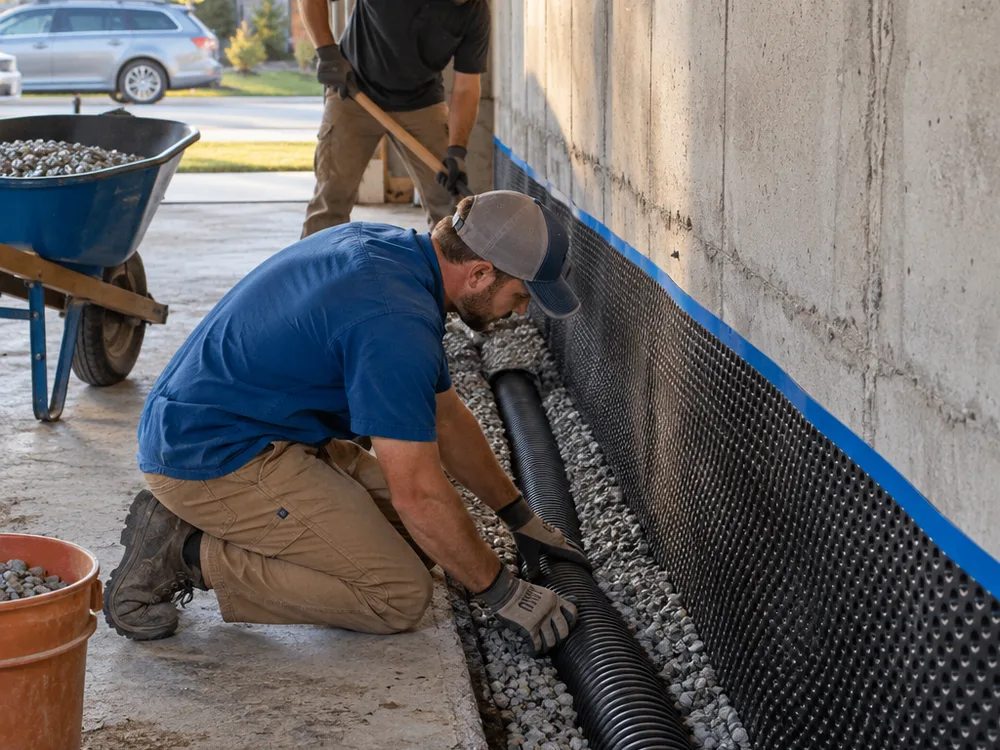
A perimeter drain along the inside footing can intercept water and relieve pressure, directing it to a sump for controlled discharge.
Serving Charlotte, North Carolina & surrounding areas
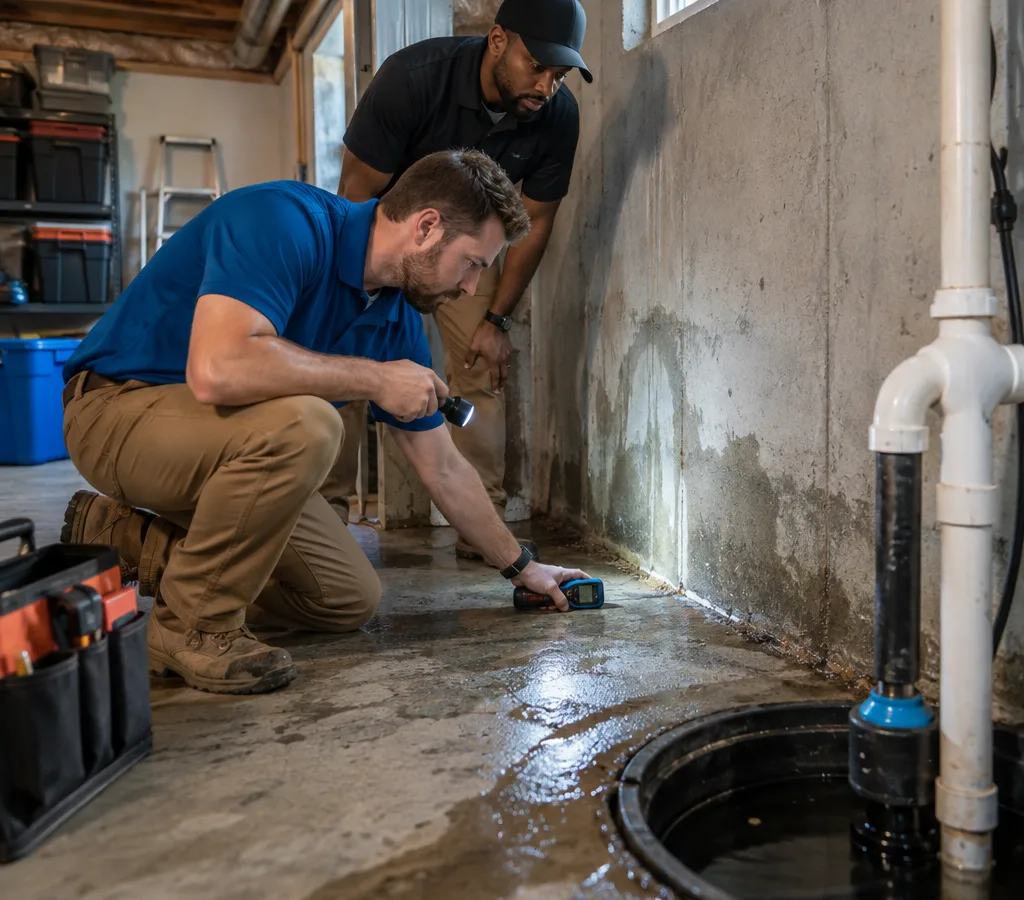
Foundation Waterproofing · Charlotte, NC
Stop basement leaks, damp walls, and musty air with a plan built around how water is getting in, then fix it with proven drainage and waterproofing methods.
Find the Entry Path First
If you are searching for foundation waterproofing Charlotte NC, you are probably dealing with one of three problems: water pushing through a wall, water coming up at the cove joint (where the wall meets the slab), or dampness that never fully dries out after rain. The right fix depends on the entry path and the pressure behind it. A dehumidifier can make the air feel better, but it will not stop groundwater, hydrostatic pressure, or poor surface drainage from feeding the problem.
Foundation Repairs Charlotte NC approaches waterproofing as a system: control roof runoff, control surface water, relieve pressure at the footing level, and seal where needed. In older neighborhoods with basements and crawlspaces like Plaza Midwood and Dilworth, we often find a mix of aging perimeter drainage, settled exterior grade, and wall cracks that open up during wet cycles. In SouthPark, homes with finished lower levels need extra care so repairs protect the space without creating access headaches later.
When you want a foundation company to take ownership of the whole fix, our team starts with inspection, maps moisture patterns, and recommends only the work that matches what we can actually verify on site.
Trace Water From Outside In
A useful inspection is more than spotting a wet spot. We trace the route water takes from the roofline and yard to the foundation, then confirm what is happening inside.
Common inspection checkpoints include:
In Charlotte, wet weather often arrives in bursts. We pay attention to how the basement behaves during and right after storms, not only on a dry day. Knowing whether water appears in the first minutes of rain, after a full day, or only when gutters overflow helps narrow down the entry mechanism.
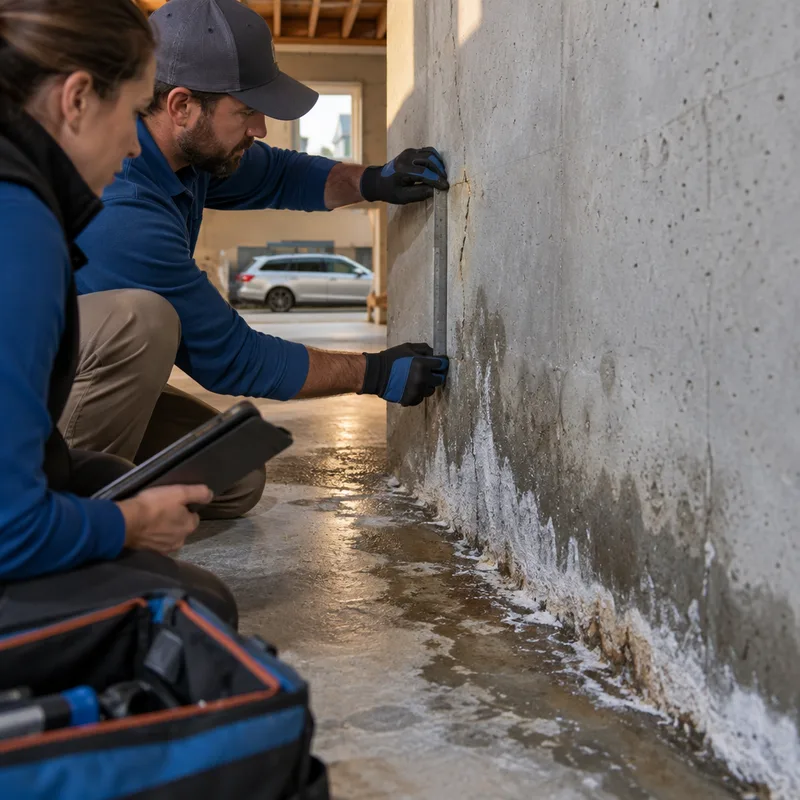
Match the Method to the Water
A perimeter drain along the inside footing can intercept water and relieve pressure, directing it to a sump for controlled discharge.
When gravity drainage is not enough, a sump system moves collected water out efficiently. We size and place components based on the basement layout and water volume.
For isolated wall leaks, injection—commonly polyurethane for active leaks—can stop water at the crack when the surrounding drainage conditions support it.
When access and conditions make it the right choice, exterior excavation allows membrane waterproofing and drainage improvements at the source.
Many basement leak problems start outside. Extending discharge, correcting grading, or adding drainage can reduce the load on the foundation.
Once liquid water is controlled, we help you prevent condensation and musty odors with practical steps for ventilation, vapor barriers, and moisture management.
Inspection to Final Walkthrough
We document where water shows up, what conditions trigger it, and what construction details matter—block versus poured wall, finished versus unfinished areas, and access points.
You get a clear plan. If more than one approach can work, we explain what each one addresses, what it does not, and what preparation is needed inside and outside.
For interior work, we protect floors and manage dust where possible. For finished basements, we plan access to minimize disruption and keep the work area contained.
We install the drainage or sealing components, connect discharge properly, and address the outside contributors that would keep feeding the leak.
We show you what was installed and what to watch for next. Simple upkeep, such as keeping gutters clear and discharge lines flowing, helps the system do its job.
Plan the Investment
Most foundation waterproofing projects in Charlotte typically range from about $2,500 to $15,000+, depending on whether you need a targeted crack repair, a sump system, or a full interior perimeter drain. Smaller fixes like single crack injections are often $500 to $1,500, while larger basements or finished spaces can push costs higher.
Final price depends on leak source, linear footage of drainage, sump needs, access, wall type, and how much interior demolition or restoration is required. The exact scope and cost are confirmed after an on-site inspection.
Book Your Free InspectionDrainage Details in the Field
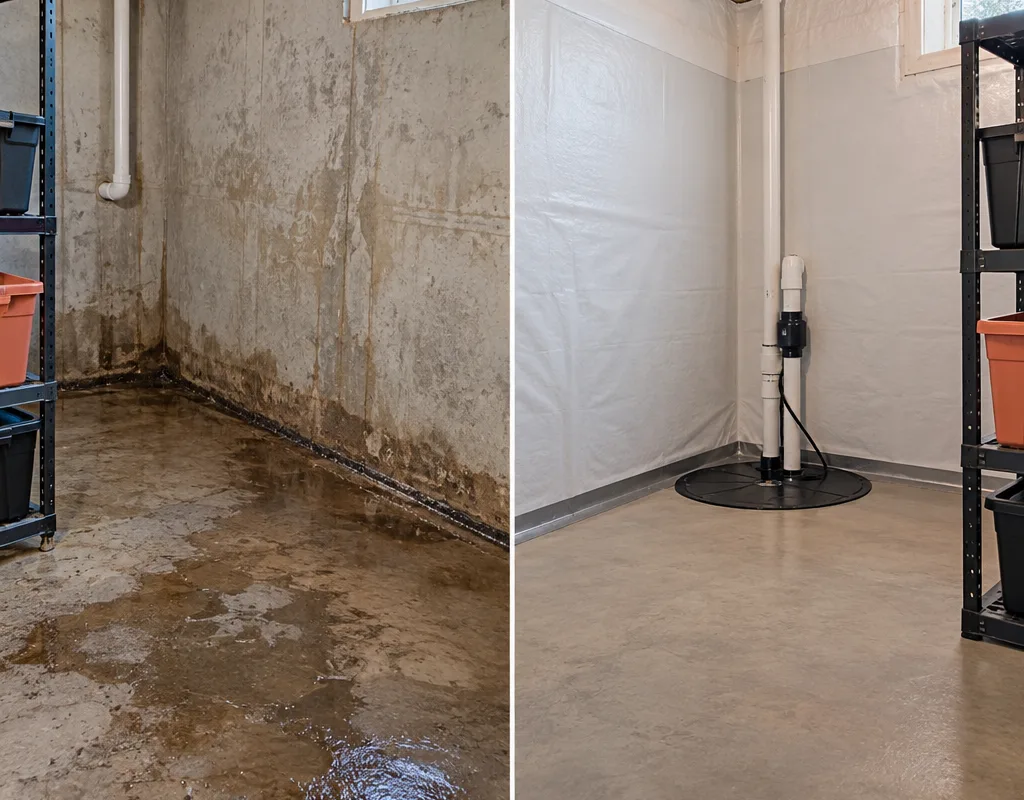

“We had water coming in where the wall meets the floor after heavy rain. The inspection explained why it was happening, and the fix addressed the drainage and the sump together. After the next storm the basement stayed dry.”
“I appreciated that they didn't push the biggest option first. The written scope was straightforward and the crew kept the work area clean even with a finished space nearby.”
Answers Before You Decide
Neither is automatically better; the best choice depends on how water is reaching the wall and what access you have outside. Interior drainage and a sump are common when water pressure needs relief at the footing level or exterior excavation is impractical. Exterior waterproofing can be the right fit when you can reach the wall and want to block water before it gets in, but it is usually more invasive and access-dependent.
If water appears where the wall meets the slab, especially along the perimeter, it often points to pressure at the footing level or water traveling down the wall and releasing at the cove joint. If you see a clear wet line following a crack, sometimes with staining, the crack may be the entry point. An inspection matters because the visible drip is not always the real source.
Often, yes, but it depends on where the water is entering and what system is needed. Some repairs can be done with targeted access points, while a full perimeter drain typically requires removing material along the basement edge. During an on-site visit, we can outline the least disruptive access plan that still gives the waterproofing system a reliable path and proper drainage.
Many waterproofing jobs take 1 to 3 days once work begins, with larger basements or complex access taking longer. Timing depends on the system type, how much perimeter footage is involved, and whether concrete removal and patching are required. After inspection, we can give a realistic schedule for your home and how you should plan around the work area.
Waterproofing stops liquid water intrusion, which is usually the main driver of persistent musty odors. If humidity remains high due to condensation, airflow, or damp materials, you may still need moisture management steps like proper dehumidification, sealing obvious air leaks, or improving vapor control. We focus first on stopping water entry, then on the practical steps that keep the space dry day to day.
Yes. Downspout discharge, grading, and surface runoff are often part of the same problem, and correcting them can reduce the amount of water pressing against the foundation. If your situation points to broader water management needs, we can also coordinate next steps with drainage solutions so the waterproofing work is not fighting the same water again.
Start With an Inspection
Tell us what you are seeing in your basement or crawlspace and when it happens. We will inspect, explain the cause in plain language, and provide a written scope for foundation waterproofing in Charlotte, NC that fits the home.